
Your dream is to play the bagpipes. It’s clear that this doesn’t happen overnight. To learn the basics of finger technique, you should start by practicing on a practice chanter. Never heard of one? Here, I’ll explain what this practice instrument is and what you should look for when buying one.
What is a Practice Chanter?
The name “Practice Chanter” is derived from the English words for “practice” and “sing.” In fact, this musical instrument is a practice chanter. It prepares beginners for playing the bagpipes. Visually, the instrument resembles a flute. It is used to learn the complex fingering technique that is essential for mastering the bagpipes. After about a year, you can gradually transition to the bagpipes.
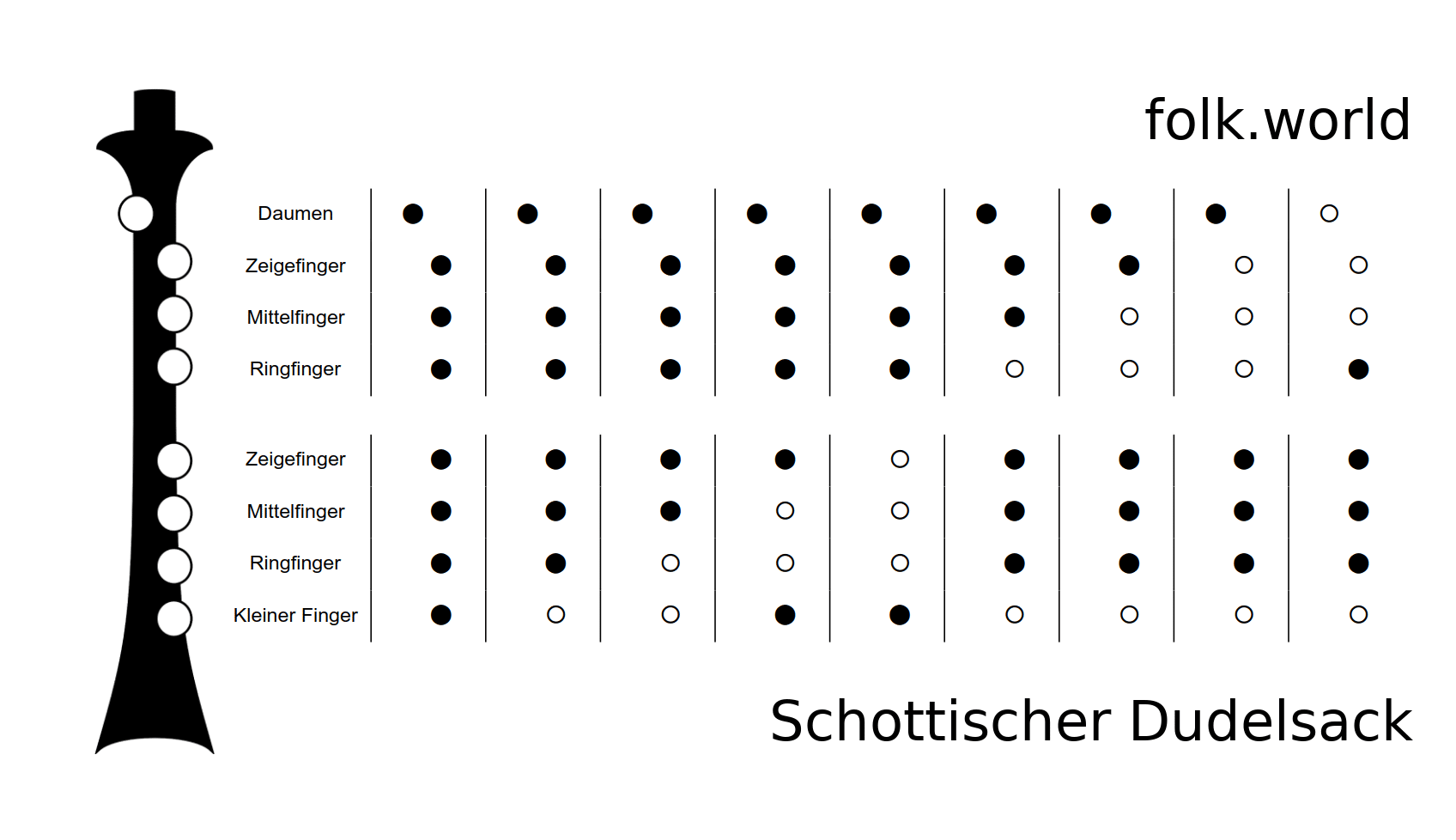
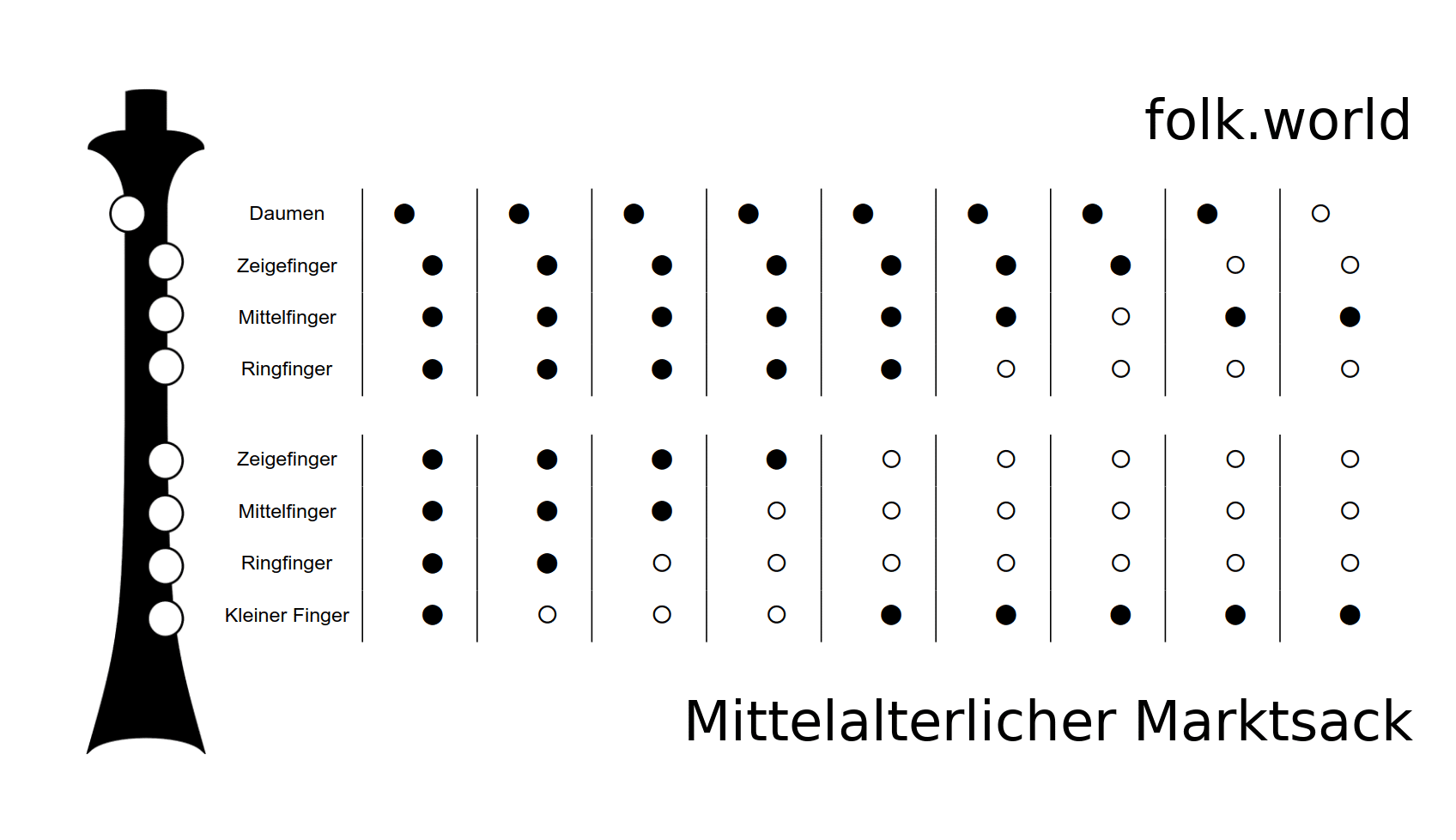
Many beginners would love to start playing a full-sized bagpipe right away. Unfortunately, this is hardly possible, since you simply won’t make any progress without any basic knowledge. When playing the bagpipes, several movements take place simultaneously. As a beginner, you have to learn each movement step by step. Therefore, you shouldn’t rush into things and buy a bagpipe right away. It’s worth getting a practice chanter first.
Are there different Practice Chanter?
At Folk.World, you can buy two different practice chanters. The practice chanter with Scottish fingering prepares you for the wee pipe and the Great Highland pipe. The Scottish practice chanter is made of plastic.
If you’re interested in medieval market bagpipe music, the practice chanter for the German smallpipe is the right choice for you. The smallpipe practice chanter is made of cherry wood.
Both practice pipes can be upgraded to a Wee Pipe or a German Smallpipe using an expansion set. The expansion sets are also available for purchase at Folk.World. It’s definitely more affordable to buy the practice chanter first instead of a complete bagpipe. Even professional musicians often use a practice pipe to learn a new tune. Another advantage of a practice pipe is that it’s quiet. This means you can practice at home without bothering your neighbors.
What is a reed?
“Reed” is the English term for a reed. Without this accessory, it is impossible to play the practice pipe or the bagpipes. The reed produces the desired sound through air vibrations.
A distinction is made between reeds for practice pipes and full-fledged bagpipes. While traditional reeds are made from reed, most reeds today are made of plastic.
Extension to bagpipes
As I mentioned earlier, a practice chanter can be converted into a bagpipe. When doing so, you should consider what kind of bagpipe you actually want to play. If you have a soft spot for market music and modern German folk music, you should buy a German smallpipe. In terms of playing style, this smallpipe resembles a recorder. It’s tuned to A, the most common key for medieval market music. The great thing about the German smallpipe is that you can focus either on the drone or on the melody on the chanter.
The Wee Pipe (“little bagpipe”), on the other hand, is the perfect bagpipe for beginners. It’s a great second instrument to complement the Great Highland Bagpipe, and it’s also an ideal choice if you plan to switch to the Scottish bagpipe in the future. Since the Wee Pipe has all the characteristics of a classic Scottish bagpipe, you’ll have no trouble learning how to play the drone. An added benefit is its relatively low noise level.
As you can see, there are a few things to keep in mind if you want to buy a practice chanter. Under no circumstances should you rush into buying a bagpipe. A full-sized bagpipe is far too complicated for beginners to handle. First, you need to learn the finger technique on a practice chanter. It can easily take a whole year before you’re finally ready to try playing a bagpipe for the first time. Why not check out Folk.World to buy a practice chanter and matching reeds?
Do you have any questions?
Anyone who wants to learn to play the bagpipes is usually at a loss at first about where to start. Ask a question on Folk.World. You’re sure to get some good answers there.

