Posted on — Leave a comment

“Circle Divine” by ZiRP: A Unique Hurdy-Gurdy Sound

On October 23, 2020, the German folk band ZiRP released their second studio album. This new masterpiece is titled “Circle Divine,” and I’d like to take a closer look at it here in Folk Review.

What makes ZiRP special is their use of the hurdy-gurdy, which gives the band’s music an unusual touch.

That’s what defines the ZiRP sound

It’s been a full eight years since the Dresden-based band ZiRP released their debut album. The quartet is known for its unconventional sounds: On their second album, “Circle Divine,” the guys once again prove that innovative approaches are their thing. The key ingredient in this musical folk medley is the hurdy-gurdy, which frontman Stephan Groth alters with various sound effects. “Hurdy Gurdy”—that’s the English term for the instrument, from which the term “Hurdy Gurdy Fusion Folk” is derived. The band uses this name to describe their music, which incorporates elements of jazz, progressive rock, and disco alongside folk-inspired sounds.

Album "Circle Divine" by ZIRP
ZIRP’s album “Circle Divine” on Amazon

Folk Review: Who’s behind ZiRP?

The band consists of four adventurous and lively guys: Stephan Groth, Florian Kolditz, Florian M. Fügemann, and Olaf Peters. The quartet was founded in 2007. Frontman Stephan has also been playing the hurdy-gurdy with the German pagan folk band “Faun” since 2009. When he placed an ad in the local student newspaper, Groth wanted to test the limits of hurdy-gurdy playing. Olaf Peters saw the ad and got in touch with Stephan; later, the rest of the band joined them.

All About the Hurdy-Gurdy

The sounds of the hurdy-gurdy are the first thing you notice when listening to “Circle Divine.” In addition to the Hurdy-gurdy The album features open-tuned (DADGAD) acoustic guitars, bass guitars, and percussion instruments. The densely woven soundscape on “Circle Divine” is rich and surprisingly multifaceted: with their unique sound, the quartet proves that traditional folk instruments aren’t limited to medieval or market music. ZiRP’s new album features original instrumental compositions. At times, the tracks sound like typical folk songs, but overall, the band draws on many different musical styles, from disco to rock. The focus, of course, is on the hurdy-gurdy, which gives the band its distinctive sound.

Long songs and experimental sounds

Compared to their debut album “Drehvolution,” the quartet really lets loose on “Circle Divine.” The tracks average about five minutes in length and are characterized by their unconventional structure. On tracks like “Uhrovec” or “Odd Bourrée,” for example, breaks occur quite suddenly. While listening, these parts made me prick up my ears. Yet a common thread runs through every composition: the hurdy-gurdy melody is often expanded upon and varied during repetitions, which lends depth to the individual tracks. For their debut album, the band was still a trio in the studio.

Great melodies with a special touch

All in all, I have to admit that the album is quite a success. This is primarily due to the rich variety of sounds the guys coax from their instruments on “Circle Divine.” When you’re listening, you never know what’s coming next—and that’s exactly what makes “Circle Divine” so exciting. It’s also great that there’s something for every listener on this album: As a die-hard folk fan, you’ll definitely enjoy tracks like “Kaleidoskop” or “Low Lights.” “Odd Bourrée” and “Zirpelloise,” on the other hand, have a harder and faster edge, which should definitely appeal to rock fans. Personally, I’m particularly taken with the title track, “Circle Divine.” The song is wonderfully atmospheric and even a little bit elegiac. “Mosaic” and “Uhrovec” are also among my favorites: Both tracks feature a melancholic melody, though “Uhrovec” transitions into an up-tempo dance song.

“Circle Divine” is an ambitious and well-crafted album. It shows the listener—both visually and aurally—how traditional instruments can be used in a modern way. As part of the Folk Review, I can highly recommend ZiRP’s new album—especially on a cold fall day with a cup of hot cocoa in hand.


Further contributions:
    Posted on — Leave a comment

    Album “Vita Brevis” by Anne Niepold

    Anne Niepold, an internationally active diatonic accordionist and composer, released a new album last year featuring a trio lineup. Throughout the album, the three musicians demonstrate a high level of stylistic mastery in French chanson, waltzes, tangos, and cover versions of well-known songs. The music is performed with great sensitivity, and before delving into the full album review, we’ll reveal this much: The CD feels very much like an atmospheric live concert.

    Original compositions and cover versions

    We first became aware of Niepold’s new album, *Vita Brevis*, after its release concert on November 8, 2019, at the Halle Opera House. Following nearly 20 CD releases since 2000, this album is yet another highlight. Half of the album consists of original compositions, while the other half features arrangements and cover versions of songs—some well-known, others lesser-known. Niepold’s compositions are very diverse and span a crossover genre blending jazz, dance music, and French chanson.

    Three outstanding musicians

    Accordionist and composer Anne Niepold studied jazz at the Conservatoire Royal de Bruxelles and performs regularly as a soloist and with various ensembles both in Belgium and abroad. She recorded her new album with two equally accomplished and talented musicians. Belgian double bassist Hendrik Vanattenhoven is an expert in jazz and Cuban music and is also active as a composer. Étienne Plumer first studied trumpet, philosophy, improvisation, and chamber music before discovering his passion as a drummer. He also composes, though according to the label Igloo Records, he focuses primarily on film scores.

    Anne Niepold’s impressive discography

    Niepold recorded her first album at the age of 17 with her accordion duo “Deux Accords diront.” Her own solo albums followed in 2012 (“Terrain vague”) and in 2014, titled “Musette is not dead.” In addition to contributing to several other CD productions, “Vita Brevis” is her first album in over five years. For the first time, Niepold recorded an album analog and the tracks were mixed analog. As a result, listening to the CD creates a rare, authentic sound—one that often gave me the impression that the band was playing live right next to me.

    French and dreamy flair

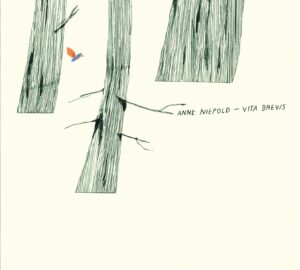
    Cover of the album "Vita Brevis" by Anne Niepold
    Album “Vita Brevis” by Anne Niepold

    “Vita Brevis” consists of several trio pieces and a number of solo tracks for accordion. The movements are exquisitely crafted and performed with great sensitivity. Niepold plays with clarity and employs the full sound of the accordion in a deliberate and effective manner. The interplay among the three musicians is outstanding and very well coordinated. Despite the characteristic sound of the accordion, this CD offers a rich variety thanks to the tasteful selection and arrangement of the tracks. In “Passion” and “Convoitise,” dreamy accordion music exudes French flair, and I feel transported to a Parisian café on the banks of the Seine.

    Dance numbers and a surprise featuring Niepold

    In addition to folk melodies, Niepold also performs dance pieces, such as the elegant tango “Quien sera” as a solo piece for accordion or the melancholic waltz “Valse à éa” with rich bass tones on her instrument. As in the closing number “Goodbye,” she repeatedly uses brief silences as a stylistic device to musically emphasize melancholy and sensitivity. Hendrik Vanattenhoven, who occasionally doubles the accordion melody on the double bass to achieve a folk-like sound, plays a beautiful bass solo with a great tone in the whimsical trio “Nyctalope.” Finally, it’s worth mentioning “Over the Rainbow,” in which Niepold takes the microphone and sings herself. She pulls off this surprise effect effortlessly, and Étienne Plumer contributes dramatic drum tones to create a special cover version.

    Anne’s Philosophical and Profound Thoughts

    In an interview, Niepold told us more about “Vita Brevis” and her philosophical thoughts on music. She feels at home in various genres, such as world music and jazz, and wants to make music as the mood strikes her, without being pigeonholed. This joy of making music is evident when listening to the album and is contagious for the listener at every moment. Niepold refers to the CD’s title, which is meant to illustrate the long search for true art—a pursuit for which life is too short. Her “carpe diem” philosophy—seizing the moment—thus fits perfectly with the analog recording process, which doesn’t allow for many edits or sonic alterations.

    Live Concerts with Anne Niepold Throughout Europe

    If, after listening to the album—which evokes a live experience—you’re in the mood for a real concert with Anne Niepold, there are numerous performances throughout Europe in the coming months. Come to Vienna (Austria) on March 13, to Stockholm (Sweden) on March 24, to Liège (Belgium) on May 8, to Nijmegen (Netherlands) on May 10, on May 26 to Thionville (France), or check out many other concert dates on Niepold’s website.

    Posted on — Leave a comment

    New Album “Come” by Tim Holehouse

    Dear friends of folk music, it’s finally here! With his long-awaited album “Come,” Tim Holehouse is breaking new musical ground. Enjoy the unique alternative country vibe that this exceptional artist infuses with his clever and catchy lyrics.

    It was worth the wait!

    The long-awaited album “Come,” which was recorded in the studio back in 2017, has been available since November 2019 and is guaranteed to provide you with the ultimate musical experience. This masterpiece consists of nine catchy tracks in which Tim Holehouse draws inspiration from, among other things, his fear of heights and life-changing experiences. In the rock-infused track “(I’m Not) Icarus,” he comes to terms with his acrophobia, while also letting you sense, between the lines, his gratitude for having been able to work successfully as a musician for over 13 years. The album “Come,” released by Real Records under the AAhhh!!! Real Records, will enchant you with its diverse tracklist!

    Tim Holehouse, the Blues Nomad

    After more than 10 years of exciting life on the road, the British singer-songwriter is still searching for new musical adventures and is once again breaking new ground with “Come.” Tim Holehouse has performed throughout nearly all of Europe and has also won the hearts of his overseas fans with his live music. The versatile musician draws inspiration from numerous musical styles, including punk, blues, jazz, and country—which is precisely what defines his unmistakable and unique sound. Like every Tim Holehouse album, “Come” offers you a very personal and profound insight into the artist’s new perspectives and the themes closest to his heart.

    “Come” reimagines music

    The first demos for “Come” were created while the singer-songwriter was recording his last two studio albums, “Hail” and “Odd/Even.” He took his time perfecting the new album, pouring a huge amount of heart and passion into it. His patience paid off: “Come” immerses us in an alternative country vibe with familiar folk influences, yet it defies being pinned down to any specific genre. If you listen closely, you’ll notice influences from The National, Leonard Cohen, Bonnie Prince Billy, Smog, and even Tony Bennett.

    Time Holehouse’s authentic sound

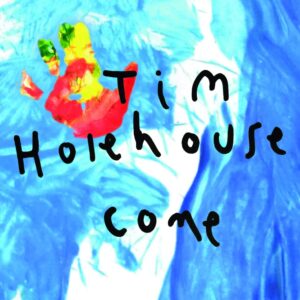
    Album "Come" by Tim Holehouse
    Tim Holehouse’s album “Come” on Amazon.de

    “Come” transports you into Tim Holehouse’s musical world and makes it easy for you to simply let your thoughts wander. You can hear his life experience in every line of the songs he’s written himself, and you believe every word the artist sings. With each song, he wants to share his life motto—“Be excellent to each other”—and remind us that everyone should treat their fellow human beings with respect. Folk.World’s music review concludes that this musical medley—alternating between rock-inspired sounds and contemplative tracks—will simply let you drift off into a dreamlike state.

    The short and concise album title “Come” was chosen by Tim Holehouse to continue his tradition of having each of his full-length albums begin with a different letter of the alphabet. Much more important, however, is the message that—as described on the album’s sixth track, titled “24 Hours (Come)”—everyone should simply be empathetic and, as the saying goes, be on the same page. This is also expressed in the final line: “Come on, sing with me today.” This track also addresses Tim’s successful quit-smoking journey, which he has maintained for several months.

    On March 25, 2020, this exceptional artist will perform in Brixton, followed by eleven more shows across the UK—from York to Birmingham—each of which is a true delight to experience live. On July 24, 2020, Tim Holehouse will leave his home turf to perform for you at the Punk Rock Paradise Festival in Belgium. In this music review, Folk.World clearly concludes that “Come” is definitely worth a listen and, thanks to its numerous genre blends—from “A” for alternative to “P” for punk—is a true gem for fans of sophisticated folk music.

    Read the full interview with Tim about his album “Come. “