
Are you ready to learn the traditional sounds of Irish, Spanish, or German bagpipe music? We have the perfect beginner bagpipes for you! Our Uilleann Pipe practice set, Gaita Gallega beginner’s model, or Hümmelchen beginner’s model offer everything you need to improve your bagpipe playing technique. Order now and make your musical dreams come true! With our beginner’s models, you’re sure to make rapid progress!
Content
Ireland: Uillean Pipe Practice Set
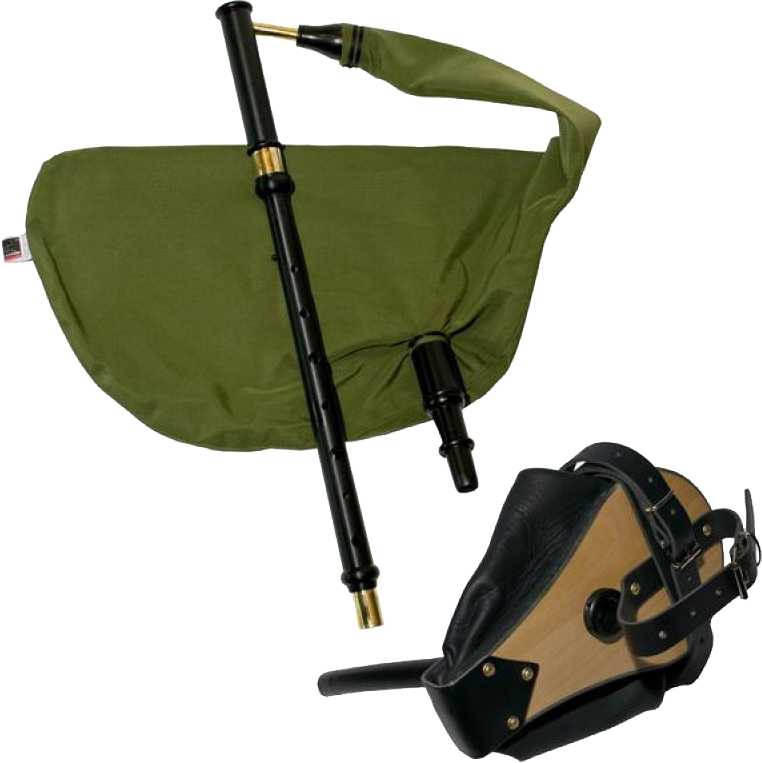
Would you like to learn how to play the Irish pipes? Then our Uilleann Pipe Practice Set is just right for you! It’s an affordable instrument for beginners or a durable travel instrument. The chanter is made of plum wood with boxwood inlays, and the stocks and blowpipe are made of Polypenco (polyacetal), a technical plastic that’s very well suited for this purpose.
The bellows are made of birch plywood and two layers of leather. They come with a high-quality, permanently airtight Canmore® Pipe Bag and are available directly from stock. The Practice Set can be upgraded to a Half-Set with a drone stock and 3 drones using an expansion set. Order now and learn how to play the Irish pipes!
Spain: Gaita Gallega School Model
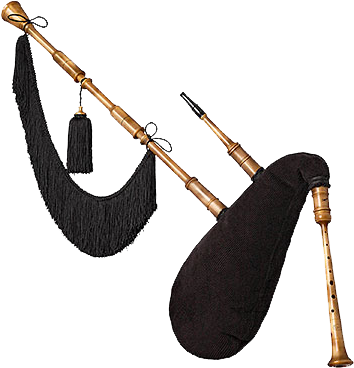
Would you like to learn to play the Spanish gaita? Then the Seivane Gaita Gallega student model is just right for you! This affordable student model for beginners was crafted by the renowned master workshop in northern Spain. Seivane’s gaitas are very popular among musicians with professional standards due to their exceptional reliability. The new Gaita student model is a wonderful instrument that meets the highest musical standards and is also visually appealing. It’s crafted from high-quality boxwood and features precise intonation. The student model comes with a Canmore Hybrid Bag. Order now and learn how to play the Spanish gaita!
Germany: The Hümmelchen School Model
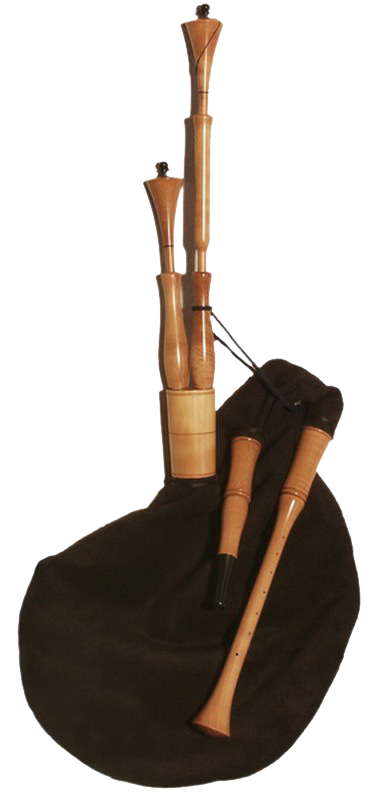
Would you like to learn to play the bagpipes using the open-fingered fingering system? Then the Hümmelchen beginner’s model with 2 drones is just right for you! This soft-sounding and easy-to-play model from our line of bagpipe starter sets—featuring Baroque flute fingering and two drones in C and F—has proven itself as a beginner’s and learning instrument for over 30 years.
The Hümmelchen is ideal for playing alongside other instruments and has the advantage of blending well with them. Range of the soprano chanter: c’ – d”. With the Hümmelchen, you can play melodies from the Middle Ages, the Renaissance, and the Baroque period, as well as traditional dance tunes and even newly composed drone music. Our student model is designed for ease of use and reliable performance and is available directly from stock. Order now and learn to play the bagpipes with our Hümmelchen student model!
Middle Ages: German Smallpipe
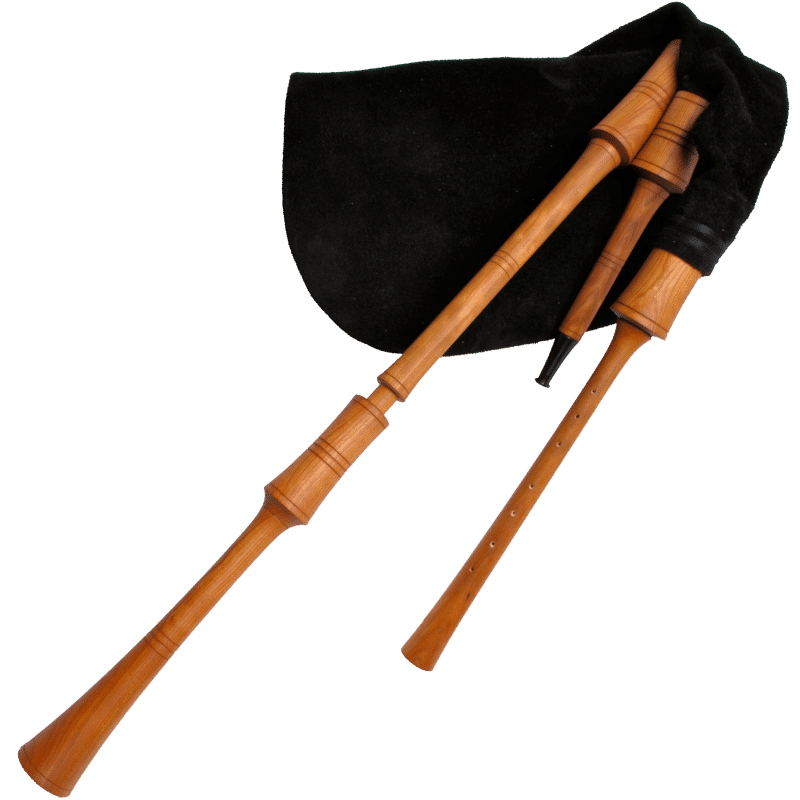
Would you like to learn to play the medieval bagpipes? Then the German Smallpipe is the perfect choice for you. This high-quality and affordable instrument is made of cowhide and cherry wood and is custom-crafted for you by instrument maker Dominik Pawlat. With the German Smallpipe, you actually get two instruments in one: a practice chanter and a full bagpipe with a drone for the sustained low note. In addition, the chanter is now made from fine plum wood, which gives the instrument a darker color and more pronounced grain. The German Smallpipe is the perfect choice for your journey into learning the bagpipes.
Discover our school-level bagpipes and more at bagpipe.de
At bagpipe.de, we offer an extensive selection of professional musical instruments and accessories. Here you’ll find professional pipe chanters, beginner sets, and Great Highland bagpipes, as well as sheet music, books, and accessories for bagpipe players. Give us a call if you’d like some advice, or visit our “Verlag der Spielleute” publishing house for specialized textbooks and sheet music collections for the bagpipes, hurdy-gurdy, nyckelharpa, and jaw harp. Take advantage of our low prices and shipping rates. Visit us now at bagpipe.de!
Further contributions:
- PTFE Sealing Tape on a Bagpipe—Here’s How to Wrap a TenonYou’ve just tuned the drone, and already the upper part has slipped down a bit. Before you start searching for the right pitch again, check that the tuning slide is seated properly. Often, you can tell just by feeling it with two fingers whether the winding is right. Unroll the tape flat from the roll.… Read more: PTFE Sealing Tape on a Bagpipe—Here’s How to Wrap a Tenon
- Step-by-step instructions: How to seal your bagpipe professionallyThere’s nothing better than the sound of a well-played bagpipe, but for that sound to come through perfectly, your bagpipe must also be properly sealed. In this comprehensive guide, we’ve compiled the best methods for sealing your bagpipes so you can enjoy your music to the fullest. Important tips before you start Step by Step… Read more: Step-by-step instructions: How to seal your bagpipe professionally
- Mastering Bagpipe Music Theory – The Beginner’s Course for All Players! 🎶🎵The Bagpipe Academy offers a high-quality course called “Music Theory for Bagpipers (Basic Course).” This course is a great way to learn the basics of music theory in the context of bagpipe playing. Whether you play the Great Highland Bagpipe, Borderpipe, Scottish Smallpipe, the medieval market bag, Hümmelchen or shepherd’s pipe – this basic course… Read more: Mastering Bagpipe Music Theory – The Beginner’s Course for All Players! 🎶🎵
- Odenwald Dance and Instrument Course 2023Come experience the magic of traditional music and dance at the 2023 Odenwald Dance and Instrumental Course! With only a few spots left, this event offers a varied program centered on making music, dancing, and good conversation. We hope you’re just as excited as we are about our 2023 course! Registration is already in full… Read more: Odenwald Dance and Instrument Course 2023
- Review of the EP “Majoljóð” by YangensYangens’ “Majoljóð EP” is a moving musical journey set for release on July 15, 2023. This EP is a tribute to Mario Korneck, a musician in the medieval music scene and longtime bandmate in Cultus Ferox, who tragically died in an accident on February 5, 2023. The EP features four powerful tracks that delve deeply… Read more: Review of the EP “Majoljóð” by Yangens
- 16th KlangRauschTreffen (June 16 – 18, 2023)At the KlangRauschTreffen, meet hurdy-gurdy, bagpipe, and nyckelharpa players, as well as many other like-minded people, and celebrate three days filled with music, dance, and joy. Enjoy concerts, workshops, and the folk song contest, and visit the instrument makers. Register now and join the fun!

