Posted on — Leave a comment

Review of the EP “Majoljóð” by Yangens

Yangens’ “Majoljóð EP” is a moving musical journey set for release on July 15, 2023. This EP is a tribute to Mario Korneck, a musician in the medieval music scene and longtime bandmate in Cultus Ferox, who tragically died in an accident on February 5, 2023.

The EP features four powerful tracks that delve deeply into the medieval bagpipe music that Mario loved so much. The melodies on the CD are based on wishes and memories that Mario Yangens had sung to him long ago. Yangens fulfilled this wish posthumously, and producing this EP helped him come to terms with the pain of losing his friend.

“Majoljóð” transports us to the gloomy sea with bagpipes and a piano arrangement, while “Wer kann segeln ohne Wind” poignantly addresses the loss of a friend. Vanessa Franz and Yangens himself provide vocals, and Marlene and Jana, two people close to Mario, play special roles in the song.

The EP is being released in conjunction with “Quisslwissl,” a festival paying tribute to Mario that features performances by well-known bands. The festival grew out of a deep friendship and bond and serves as a tribute to Mario in his beloved world of music.

You can purchase the “Majoljóð EP” on all digital music platforms starting July 15, 2023, or buy the limited edition with a booklet as a physical CD in a digipack on “Quisslwissl.” Starting August 15, the EP will also be available on all major streaming platforms.

Review

Yangens’ “Majoljóð” EP takes you on an emotional journey across the vast sea. Heavy bagpipe sounds on the water open the first track, while a deep drum sets the rhythm of the oars’ strokes. The sounds of “Majoljóð” transport you to the high, dark sea and let you revel in melancholy.

The EP continues its journey with “Wer Kann Segeln Ohne Wind,” accompanied by bagpipes and guitar. The lyrics of the traditional Scandinavian folk song “Vem kan segla förutan vind?” bid farewell to a dear friend.

In “The Scot,” the melodies of “Majoljóð” are played on the nyckelharpa, accompanied by the shawm, bagpipes, and other stringed instruments. The marching band continues on its way, while the bass drum sets the beat.

The EP ends with a piano version of “Majoljóð.” Yangens’ release conveys deep sorrow over the loss of a good friend and evokes memories of times past. His release allows listeners to feel the pain of losing a good friend and brings back memories of the past. With his EP *Majoljóð*, Yangens has fully expressed his feelings of grief. A truly beautiful work.

“Majoljóð” is a tribute to the power of music, which comforts us in difficult moments and allows us to express our feelings. With this EP, Yangens has created a deeply sensitive and moving work that invites us all to reflect on the meaning of true friendship and the transience of life.


Further contributions:

Posted on — Leave a comment

“Driftin” by Nobutthefrog: Folky indie rock with secrets

The band name still gives me – and probably not just me – a hard time, even after reading it several times. I can only guess how many times the members have had to spell it for various booking agents. Today I present to you the new album “Driftin” by the band from Nuremberg and also reveal the secret of the band name.

Driftin: Leap year album with new musicians

If the new album is to be released in a leap year, then it should be on a leap day. This is exactly what the members of Nobutthefrog thought – and released Driftin on February 29, 2020. The title of the album is reminiscent of the hippie slang of the sixties and means something like “roaming around” or “wandering”. Nobutthefrog was founded in 2016.

The German folk band comes from Nuremberg and consists of Anka (Annkathrin) Slavik and René Huber. Anka plays violin, guitar and mandolin, René alternates between guitar and harmonica. Recently, drummer Chris and double bass player Lorenz have also joined the band. Both Anka and René sing – with voices that couldn’t be more different. However, it cannot be said that these voices always harmonize. But more on that later. In any case, the Nuremberg band makes a likeable impression – and that’s half the battle, isn’t it?

Album "Driftin" by Nobutthefrog
Album “Driftin” by Nobutthefrog on Amazon.de (Photo: Leos Olpp)

Folk songs to relax and chill out to

As Anka and René themselves claim, they sing in German and English, as the German language often lacks the necessary words to express something specific. I also put my heart and soul into it and say that the new album Driftin is perfect for relaxing and chilling out. As background music around the campfire after a surf session, the songs on Driftin offer a perfect blend of acoustic guitar riffs and authentic vocals. Every now and then a punk note can be heard in the vocals, which clearly pushes the whole thing in the direction of acoustic rock.

Music in a small circle

When Anka and René still performed exclusively as a duo, they did so in a very small circle – for example in the living rooms of their fans and friends. Now that they have matured into a quartet, this is likely to be difficult, especially as the songs on Driftin are somewhat faster and heavier than on its predecessor “King & Queen”. Now three of the four members want to go on a trip across Europe soon and earn their living as street musicians. I think that’s brave – it also shows that the members get on well together off stage too.

My review: I liked this

As already mentioned, I find the songs on Driftin wonderfully relaxing. At the same time, Nobutthefrog never drifts into sweetness or kitsch, which I was particularly pleased about. Another positive aspect is the fact that these are all original compositions. Normally, most folk albums have one or two evergreens on them, without which they would have done quite well. However, I have to admit that I hear very little folk here. If it weren’t for the violin, I would classify Driftin by Nobutthefrog as indie rock without batting an eyelid. I liked “Slow” best – Anka’s voice reminds me of Janis Joplin’s vocal acrobatics.

My review: I liked this less

For me, the vocals on Driftin leave a lot to be desired. Although unusual harmonies are commonplace in folk music, here it’s more a case of the level needing improvement. As the structure of the songs is sometimes very simple, the vocals play an even greater role. As already indicated, Anka and René’s voices don’t always complement each other in the way the listener would like. However, the potential can be heard in every verse.

And what about the band name?

Readers, they wouldn’t tell me the secret! Nobutthefrog merely mention that they came up with their name through “indescribable mischief”. However, we can puzzle over it: Is the name a reference to the phrase “don’t be a frog”? Although we are doomed to speculate, we have to admit: The name fits.

I hope you enjoyed my review. It’s definitely worth listening to the new album “Driftin” – especially if you’re in the mood for indie rock with a folky touch. There are currently no tour dates planned. But with a bit of luck, you might spot the members of Nobutthefrog making music in various European cities.


Further contributions:

    Posted on — Leave a comment

    Tinderbox by Hot Griselda: A treasure hidden for 10 years

    We’ve had to be patient for almost ten years, but the time has finally come: my review is now being published just in time for the new release of the album “Tinderbox” by the Belgian-Dutch folk ensemble Hot Griselda on June 12, 2020. On this original album, Irish uilleann pipes meet distorted guitars and old-school drum beats.

    Where does the band come from?

    The Belgian-Dutch band originates from the bal-folk scene and was founded by chance. In 2007, Uillean Pipes speiler Stijn van Beek met multi-instrumentalist Toon van Mierlo at a folk event in Nijmegen in the Netherlands. Shortly afterwards, Kaspar Laval and Jeroen Geerinck joined them. The quartet began to perform under the name “Hot Griselda”. The group was named after a character from the fantasy comedy “Jabberwocky”, directed by Monthy Python legend Terry Gilliam.

    Over the years, the band has developed a busy concert schedule throughout Europe. Hot Griselda’s fans are very enthusiastic about the unique folk-pop sound of the motley group. The musicians get along quite well with their miles apart residences: Stijn and Kaspar live in Amsterdam, while Toon and Jeroen are at home in Belgium. Nevertheless, they see each other regularly and jam as often as they can.

    Sophie Janna can be heard on the album Tinderbox. The Amsterdam-based singer and guitarist normally performs with the band “The Lasses”. Sophie Janna discovered the folk scene after a stay in Scotland.

    The sound of Hot Griselda

    A perfect blend of traditional folk instruments and drum beats make the sound of Hot Griselda unmistakable. Accordion, bodhran, pipes, guitars and a drum machine weave a dense tapestry of sound. The songs on Tinderbox are original compositions, some with classical lyrics. The songs fit into the Celtic folk genre and are reminiscent of characteristic melodies from Ireland and Scotland. With the addition of Sophie Janna, the band’s sound has become stronger and, above all, more exciting.

    Album cover "Tinderbox" by Hot Griselda
    Album “Tinderbox” by Hot Griselda on Amazon.de

    Why was Tinderbox only released in 2020?

    Tinderbox was recorded in 2011. Originally, fans of Hot Griselda were able to listen to the album on Bandcamp. Thanks to the collaboration with Sophie Jenna, Tinderbox differs from the band’s other albums. It was initially difficult to find a label. And as each of the members was pursuing their own projects, the release of Tinderbox was initially put on hold. It wasn’t until 2020 that the band decided to release the album to make it accessible to a wider audience.

    Dreamy melodies

    The four boys have outdone themselves with Tinderbox. Sophie Jenna’s voice plays a not insignificant role, enticing you to dream. Tracks like “Sleep Now” and “The Reaper” convince with their electro influences. On other tracks (“Stretched on Your Grave” and “Lizzie”) rock harmonies can be heard. In contrast to the band’s other albums, the tracks on Tinderbox are not exclusively based on Celtic melodic patterns, but incorporate several musical styles. I was particularly impressed by the distortions, which harmonize perfectly with the vocals. One of the most beautiful songs on Tinderbox is “Jamie”, a perfect amalgam of folk and pop.

    Similar tracks but unmistakable sound

    In my opinion, several tracks on Tinderbox are too similar to each other, which means that the necessary variety is missing. You will search in vain for jigs and reels on Tinderbox. I would have liked a few more fast-paced pieces in addition to the ballads. Folk purists will not approve of the use of a drum computer. On the other hand, it is precisely this mixture of traditional elements and electric beats that makes up the band’s unmistakable sound.

    What can fans of Hot Griselda expect?

    With this new release, the band has proven its talent and willingness to experiment. Whether a further collaboration with Sophie Janna is possible is currently written in the stars. In total, the guys from Hot Griselda have recorded four albums, most of the reviews are positive.

    With their unusual mix of instruments, the guys from Hot Griselda are breaking new ground. I find the development exciting and am already looking forward to the band’s next release. I give them credit for the fact that the members themselves are not from Ireland and yet are such virtuosos when it comes to Irish folk music. In recent years, Hot Griselda has toured mainly in Germany, Belgium, France and the Netherlands. No concerts are planned at the moment.


    Further contributions:

      Posted on — Leave a comment

      “Stormweere” from Spilar: Flemish tradition alive

      Mandolin, mandola, guitars—on the debut album “Stormweere” by the Belgian band Spilar, everything seems to float. The sounds fly through the room, while a voice sings very close to your ear. You hear a strange language. It seems familiar, yet you can’t quite understand it. In this review, Folk.World tells you about Flanders, Christ, and raids.

      Bruges in the afternoon

      As the afternoon progresses, most of the tourists leave the city and Bruges becomes quiet. There is no one who wants to climb the Belfry. There are no boats on the canals. The streets have emptied. It seems like a good time to track down the ghost of these ancient walls. Is there a disembodied shadow fleeing across the cobblestones? Has the curtain behind the window moved? Spilar play the soundtrack to this film: crystal clear, rich in detail and skillful. The musicians have set out in search of the past of their home region.

      From Snaarmaarwaar to Spilar

      Spilar emerged from a project by the power folk trio Snaarmaarwaar. The trio had added several musicians for an anniversary tour and played a series of Flemish songs. They all took great pleasure in rearranging the old music. So they came up with the idea of a second band consisting of the trio, a singer and a drummer. In their search for suitable songs, the musicians became more and more interested in the traditional music of Flanders. The album “Stormweere” is the result of this work.

      West Flemish

      The musicians sing most of their songs in the West Flemish dialect. West Flemish is the language of a minority in France and the Netherlands. In West Flanders, it is used by a majority as a colloquial language. Despite all the differences, West Flemish is quite similar to Dutch. In some places, you might think you understand what is being sung in “Stormweere”. However, this can lead to misunderstandings.

      Album "Stormweere" by Spilar
      Album “Stormweere” by Spilar on Amazon.de

      Most of the songs on “Stormweere” have a traditional background. There is the folk classic “Roosendaal”: three crooks commit a robbery. Afterwards, they celebrate a wild party in Antwerp with the stolen money, which ends a day later on the gallows. Other songs come from the Christian tradition (“Suver Maecht”, “Sterre”). Then there is the dark Jacques Brel chanson: “Pourquoi faut-il que les hommes s’ennuient”. The musicians have translated the text into West Flemish. They play it as a “Pertank” in a wonderfully windswept version. Almost at the end comes the touching “Verdronken Land”. Wannes Van de Velde wrote this song about the salt marsh landscape of Saeftinghe.

      Too beautiful?

      “Stormweere” was produced by the band’s guitarist Jerome Geerinck. And the sound is flawless. Mandolin, mandola and guitar have plenty of room to unfold. The vocals sound intimate. Synthesizers play simple tone sequences. In some of the songs you can hear driving drums. I listened to the album for the first time while running in the park. The music lifted me off the ground a little. Spherical might be the right word. Under headphones, “Stormweere” is an audiophile experience.

      You might even find it a little too beautiful. I wouldn’t really recommend this album to someone who likes gritty rock ’n’ roll. But that’s not the problem. The question is rather whether this production offers a gateway to traditional Flemish music. The album sounds as if you’re viewing tradition through a glass case. It’s a stroll through a deserted Bruges. On Breidelstraat, you see only the shadows of times gone by. It doesn’t seem to me that the musicians want to immerse themselves in the tradition. Rather, the band is exploring the past. This detached approach is, of course, perfectly valid. The Criticism So it kind of falls flat. Still, I miss the smells: perfume, blood, and dirt.

      “Stormweere” in concert

      It should be exciting when Spilar bring their album to the stage. Anyone who has seen a performance by the band Snaarmaarwaar knows that the musicians deviate considerably from the studio version of their songs. Will this also apply to Spilar? Will the distance fall? You can find out. A few dates in Belgium are coming up from the end of August. Folk.World is in a positive mood.


      Further contributions:

        Posted on — Leave a comment

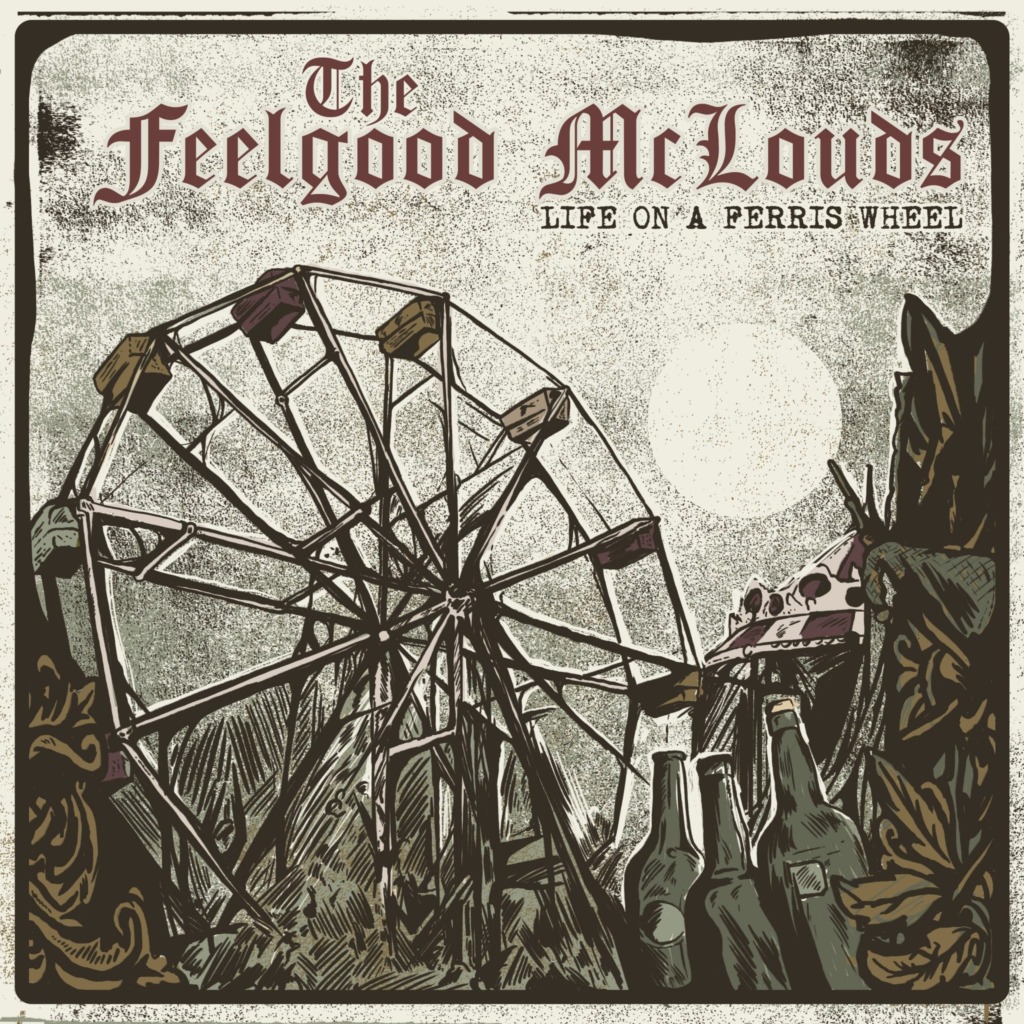
        “Life on a Ferris Wheel” by The Feelgood McLouds rocks!

        Imagine entering a run-down music bar. There is a big crowd. It’s incredibly loud. The floor is sticky with spilled liquid. Waiters are balancing trays through the crowd. Beer sloshes in the glasses on the tables. There is a band on the small stage with too many people playing for there to be enough room for everyone. The bass player hits the singer in the head with the mechanics. The banjo player knocks over the drummer’s cymbal stand. The atmosphere is exuberant. Suddenly the whole room is screaming. What’s happened? Everything’s fine – they’re just singing. That’s the chorus.

        This is what it would normally have looked like when The Feelgood McLouds release their new album “Life on a Ferris Wheel” on May 8th on Wolverine Records. For now, the virus is throwing a spanner in the works. The poorly rinsed glasses of this music pub would be a serious danger. Fortunately, we are allowed to pop a silver disk into the CD player. There’s a cold beer in the fridge. And off we go with the album review.

        Six New Dubliners

        The Feelgood McLouds play Celtic punk. The six Saarlanders describe themselves as a younger version of the Dubliners, if they were influenced by punk. However, the musicians insist that they are more hard-drinking than the Dubliners. After their debut in 2017, “Life on a Ferris Wheel” is the band’s second album.

        Album "Life on a Ferris Wheel" by The Feelgood McLouds
        Album “Life on a Ferris Wheel” by The Feelgood McLouds on Amazon.de

        In addition to guitar, bass and drums, banjo, accordion, tin whistle and bagpipes can often be heard. Banjo and accordion were not on the first album. On “Life on a Ferris Wheel”, everything also sounds a little more sophisticated and mature. The range of influences has increased. For example, “Lovers and Friends” is a ska number for long stretches. In “Off the Rails” you can hear a banjo playing a bluegrass theme. With “In our Pup”, there is even an almost quiet song on this album.

        The Feelgood McLouds have expanded their possibilities. They are starting to play with the genre. As a Celtic punk fan, you can still remain relaxed. The energy of punk can always be felt and themes from Celtic folklore are constantly cropping up. There is also a roaring male choir in every song! When listening to “Life on a Ferris Wheel”, you’re bound to think of The Pogues more than once. The Feelgood McLouds have to be measured against the forefathers of the genre. The band’s lyrics are mostly about partying and drinking. Sometimes the musicians also address more serious topics. In “Spineless Mass” they even call for a riot.

        Celtic Saarlanders

        When musicians play a genre that is associated with a specific place or landscape, the question arises as to where these musicians come from. Can someone who grew up in the Saarland deal with the traditions of Irish and Scottish folklore?

        The question of authenticity is justified, but it seems a little academic to me. We wouldn’t reject a country singer from New York because he wasn’t born in the Appalachians. We wouldn’t deny a Japanese violinist a feeling for Viennese classical music.

        First and foremost, I can hear the joy of music in The Feelgood McLouds. What the musicians deliver on “Life on a Ferris Wheel” is genuine. They write their songs themselves. They hammer away on their instruments. They sweat. They grin. I wouldn’t mind if alphorns were used on the next album. Maybe a mariachi trumpet would be even better. The band could do something really crazy and sing a song in a Saarland dialect.

        Back on stage

        The concert in the run-down music pub described at the beginning will not take place for the time being. But you will have a lot of fun when “Life on a Ferris Wheel” booms out of your speakers. And watch the video for the song “Moonshiners” right after reading the album review. The Feelgood McLouds will return to the stage. The band’s music belongs on stage. Everyone sings along! Then there’s another beer.


        Further reviews:

          Posted on — Leave a comment

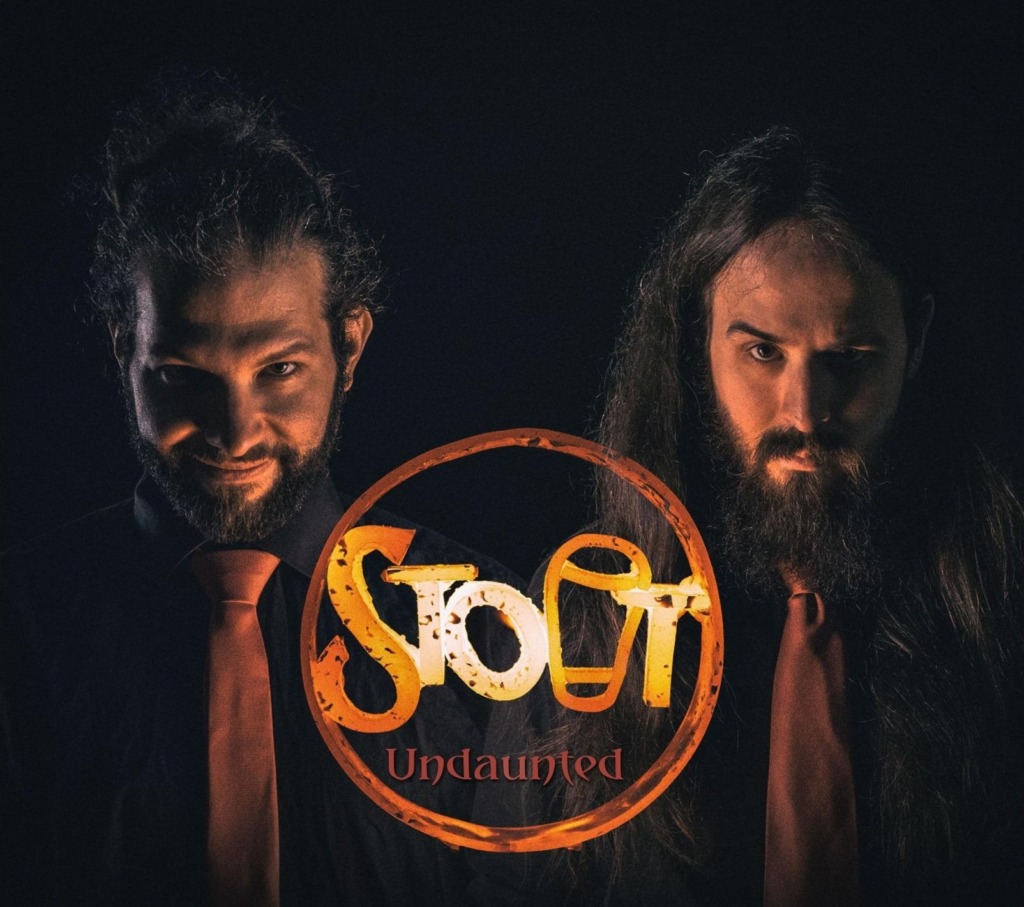
          “Undaunted” by STOUT aims to reinterpret Irish folk music

          With “Undaunted,” the duo STOUT has released its second album. Folk.World takes this opportunity to take a closer look at the band’s music in this review . The band proudly claims to want to breathe new life into Irish folk. Have they succeeded in doing so with “Undaunted,” which means “fearless” in English? Here you can learn more about the two passionate musicians, Mario Kuzyna and Simon Scherer, and their approach to Irish classics.

          “Undaunted” – Well-Known Classics and Original Compositions

          Cover of the album "Undaunted" by STOUT
          Cover of the album “Undaunted” by STOUT on Amazon.de

          When listening to the album, it quickly becomes apparent that the mix of reinterpreted songs and original tracks is well-balanced. From the very beginning, familiar songs like “Whiskey in the Jar” sound familiar. This helps you, the listener, place STOUT’s songs in context. On “Undaunted,” “well-known” and “familiar” certainly do not mean “old,” “clichéd,” or “boring.” It’s not really accurate to call this a reinterpretation. What the two musicians present uses familiar building blocks to create something new and fresh. This music remains firmly rooted in the Irish folk tradition. Songs like “Fiddler’s Green,” which were formative for the genre, no longer sound nostalgic. The songs on the album “Undaunted” come across as fresh and well-crafted. Such a feat is possible when the musicians have a deep understanding of this music. STOUT’s album clearly embodies both qualities. Although it is only the second album by the band, which was founded in 2013, Folk.World attests to the impressive maturity of “Undaunted.” This maturity is evident in every song.

          Virtuoso ensemble playing and audible harmony

          With a duo like STOUT, there are no compromises. The first time I listened to “Undaunted,” it was clear that none were needed. The talent of these two virtuosos, with their impressive vocal range, really shines through. It takes courage to reimagine well-known classics from the ground up without letting them lose their soul. It’s even harder to integrate new creations into this framework so that they fit in seamlessly. Colorful, well-thought-out, emotional, and fresh—that’s the impression the album leaves after listening. The duo seems to have grown closer since their formation. Especially in the original compositions, there’s a sense of continuity that’s slowly becoming a hallmark of STOUT.

          “Undaunted” combines a spirit of experimentation with a clear goal

          Compared to their first album, “Undaunted” sounds more conceptually driven, and STOUT stand out more clearly as artists. Folk.World is delighted to see that the duo is keeping their spirit of experimentation alive and expanding on it even further. With “Undaunted,” it’s the result that counts—and it sounds really good. You’ll be amazed to discover that the conventional path isn’t the only way to reach your desired goal. “Undaunted” clearly breaks new ground. Things don’t have to be forcibly changed or reinterpreted. When classics are interpreted beautifully, melodically, and with musical understanding—as is the case with this album—an entire music scene can benefit from it.

          Experience STOUT live

          With up to 35 concerts a year, STOUT has a busy schedule. On stage, you can marvel at the vocal talent of these two musicians up close. And the show is certainly not to be missed. The emotional depth of some of the songs from “Undaunted” comes across best in a live setting. The band skillfully draws the audience into their performance. Have they succeeded in breathing new life into Irish folk? From Folk.World’s perspective, there’s no need for a spring cleaning, because tradition is constantly evolving. But STOUT leaves nostalgia behind and brings a breath of fresh air and fire to the genre. It remains exciting, and you can certainly continue to look forward to exciting news from the band.

          Posted on — Leave a comment

          “Duo” – Diverse folk music from the Netherlands

          For the first time in their thirty-year performing career, the two Dutch musicians Jenny van Diggelen and Guy Roelofs have produced their own album, titled “Duo.” In this article, we’d like to introduce you to these two virtuosos and share some fascinating information about them. In our Folk Review, you’ll get a first look at the details of the album.

          First Duo Album

          We took the occasion of the nearly one-year anniversary of the CD “Duo” by Jenny van Diggelen and Guy Roelofs to write a music review. The album was released on April 15, 2019. It is the first duo album by flutist van Diggelen and guitarist and keyboardist Guy Roelofs. I’d like to reveal right away that this CD is very diverse and, through a multi-layered recording technique, explores all the possibilities of a duo. The joy and sensitivity of both musicians toward folk music are audible in every track.

          The album “Duo” is a hidden gem of folk music.

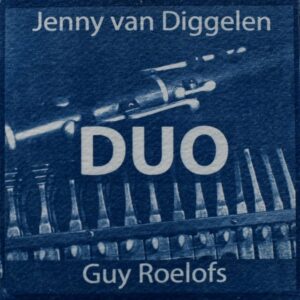
          Cover of the album "Duo" by Jenny van Diggelen and Guy Roelofs
          The album “Duo” on Amazon.de

          The two musicians, van Diggelen and Roelofs—who are also a couple in real life—met thirty years ago while playing music together and regularly perform in the band Tjane, which specializes in Dutch folk music. Driven by an interest in the music of other countries and regions, they spent several years creating the album “Duo,” which we’d like to recommend to you as a hidden gem in the folk genre. Both musicians play multiple instruments on this CD: van Diggelen on the transverse flute, recorder, and tin whistle, while Guy Roelofs plays the nyckelharpa, bouzouki, guitar, and keyboard.

          “Duo” brings together tunes from various countries

          As the flutist for the band Tjane, van Diggelen recorded five CDs. She collaborated with the band Moira on an album of Irish folk tunes. She has also participated in numerous productions with other musicians and her partner Roelofs. The album “Duo” is her first CD. The two passionate musicians produced it entirely on their own in their own studio, Fuaime. It also features Jenny van Diggelen’s first recordings of Swedish and Bulgarian folk tunes.

          Sonic variety achieved through multi-layered recording techniques

          The album “Duo” consists of nine traditional tunes and five original compositions by Guy Roelofs, offering a variety of sounds. At the same time, however, they blend organically into the overall concept of the CD. Thanks to a multi-layered recording process, in which both musicians were recorded simultaneously over one another and using different instruments, the result is usually not just a duo, but a quartet or quintet. For example, on the second track, “Farmödrar polska,” Guy Roelofs plays the keyboard, bouzouki, and nyckelharpa simultaneously alongside van Diggelen on the flute, with precise interplay and pure intonation. The rare instrument, the nyckelharpa, is a fiddle whose strings are mechanically shortened via keys, producing a sonorous and pleasant timbre.

          Two guest musicians and a great atmosphere

          Keyboardist Guy Roelofs makes effective use of his instrument’s timbres on select tracks. The rhythmically lively track “Polska fran Hälleforsnäs” creates an exciting sound with its interesting percussion effects. The atmospheric crossover ballad “Gaoth Barra” uses distorted string sounds to create a wonderful emotional arc throughout the entire song. The two guest musicians, Jiroh Matulessy on rhythm bass guitar and Arjan van Tricht on the soft, bell-like Fender Rhodes piano, blend perfectly into the album’s sonic concept on “Barloo.” I particularly enjoyed the penultimate track, “Scottis fran Harjedalen.” Both musicians play with perfect intonation and rhythmic precision while spreading pure joy. That’s what folk music should be like!

          The Album as a Total Work of Art

          Jenny van Diggelen told us that the blend of music from different countries and regions inspired her and her partner to create both traditional and modern interpretations. She also views this CD as a total work of art combining music and visual art. Van Diggelen works as a graphic designer and specializes in cyanotype. Using this technique, she creates every single physical CD herself, thereby presenting the listener with an album that is handmade in every sense of the word.

          Jenny van Diggelen live

          Due to the recording process, this CD is a studio album and cannot be reproduced live in this form. Jenny van Diggelen regularly performs as a trio with Guy Roelofs. The sound differs from that of the album “Duo.” If you’d like to hear both musicians perform live, be sure to follow the band’s website, www.tjane.nl. Concert dates are posted there regularly.

          Posted on — Leave a comment

          “Ancora” by Flook — Inspired by Michelangelo

          The album *Ancora* by the Irish folk band Flook inspired us to write a music review that couldn’t be more exciting. The band’s first album since 2005 captivates with a wide variety of sounds. It transports us to sonic worlds we rarely hear in this genre. We’ll say this much right now: This CD is a valuable addition to any folk collection.

          New Soundscapes in *Ancora*

          In April 2019, the Irish folk band Flook released their first album in 14 years, titled *Ancora*. The rave reviews from numerous media outlets in the UK inspired us to take a closer look at the album as well. On this album, Flook performs with no fewer than twelve guest musicians. They contribute an extremely diverse range of sounds and blend perfectly into the band’s ensemble. In this music review, you’ll also learn interesting facts about the band, their motivation, and the background of this production.

          The Impressive History of Flook

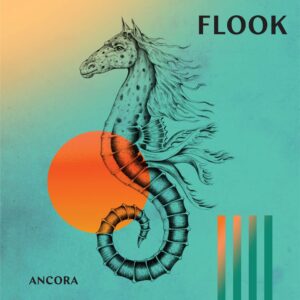
          Cover of the album "Ancora" by Flook
          The album “Ancora” by Flook on amazon.de

          The folk band Flook has been around for 25 years and consists of four friends: Brian Finnegan, Sarah Allen (flute/tin whistle), Ed Boyd (guitar), and John Joe Kelly (percussion). The band enjoyed a meteoric rise. By 2005, they had released three albums and won the “Best Band” award at the BBC Folk Awards in 2006. After a five-year hiatus due to family and musical reasons, Flook reformed in 2013 with the same lineup. Since then, they have been filling concert halls and clubs in Ireland, Japan, and Germany.

          Inspiration from Michelangelo

          The musicians of Flook told Folk.World that, following their five-year hiatus, they felt a strong urge to express themselves artistically even more fully in this lineup than they had before. Following their last album, *Haven* (2005), the artistic leap to *Ancora* (2019) seems to be a natural musical evolution. The Latin word *Ancora* translates to “anchor,” “hope,” and “again” in German. Alluding to a quote by Michelangelo on his 87th birthday (“I am still learning”), the album found its name, which stands for a continuous artistic learning process.

          Ancora possesses brilliance and a new sonic spectrum

          While preparing this music review, the album *Ancora* drew me into a wide variety of soundscapes, making the listening experience extremely diverse. Most of the tracks were composed by the two flutists themselves and are conceived as paired pieces with sensitively crafted transitions. Right from the start, with “Reel for Rubik,” the virtuoso flute technique is evident; in this fast-paced piece, Finnegan and Allen shine with playful ease and delicate ornamentation. Starting with the second track on *Ancora*, the sonic spectrum expands with “The Crystal Year.” On this track, Steve Jones creates a dreamy crossover sound.

          Excellent guest musicians and brilliant intonation

          We also find exotic sounds and harmonies in “The Bunting Fund,” with its Spanish-inspired soundscape and a special tambourine from Asturias. Also particularly noteworthy is “Lalabee,” with a mystical and atmospheric intro by Matthias Loibner on the hurdy-gurdy. It’s a track that grows increasingly brighter as it progresses, culminating in a whimsical flute duet that takes us on an emotional journey. The brilliant intonation and superb interplay among the musicians are impressive throughout the entire *Ancora* album. Equally astonishing are the consistently varied timbres and the careful sequencing of the tracks.

          Melodic beauty and invisible energy

          In an interview, the musicians told us about their passion for the beauty of melodies, which they wanted to capture in their album *Ancora*. They were also inspired by their 25-year friendship as bandmates, which generates an invisible energy and provides the musicians with a sense of home even during turbulent times in their lives. We’re thrilled that Flook is sharing their skills and knowledge. Flutist Brian Finnegan and guitarist Ed Boyd lead an annual master class in Cambridgeshire (UK). The workshop is internationally renowned and very popular.

          Flook’s *Ancora* live

          If you want to hear Ancora’s amazing range of sounds live, there are plenty of opportunities this year. The band will perform on May 13 in Dublin, on May 17 in Belfast, on June 20 in London, and on July 12 in France. According to insider information, a tour of Germany is planned for 2021, though the dates have not yet been finalized.

          Posted on — Leave a comment

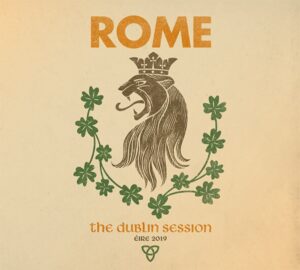
          “The Dublin Session” — ROME’s Irish album

          On December 6, 2019, the Luxembourg band ROME released their second album in a year. This high level of productivity makes the new album well worth a listen. In this CD review, I explore just how good two albums released in a single year can be. The contrast between the two albums is clearly audible, even though ROME remain true to their style. The story behind the making of “The Dublin Session” is unusual.

          14th folk album by the Luxembourgish folk band

          For 15 years, ROME has been releasing albums that are characterized above all by their great diversity. Although the quartet led by Jérôme Reuter describes its style as “Chanson Noir,” many CD reviews tend to classify their music as “Folk Noir” or “Neofolk.” As a result, their music appeals to a wide range of listeners. Their new album, “The Dublin Session,” will not only appeal to die-hard fans but will also captivate a new audience. This 14th studio album is sure to appeal to fans of Irish folk.

          Born of spontaneity

          As the title “The Dublin Session” suggests, the songs were recorded in the Irish capital. Bandleader Jérôme Reuter describes how the project came about spontaneously: Some musician friends had access to a studio and organized a session, for which he wrote the songs within a few weeks. Due to time constraints, there was no room for lengthy planning or meticulous rewriting of individual lines of lyrics. ROME limits itself to nine relatively short songs, whose content draws primarily on Irish legends and politics. In doing so, they build on their previous album, “Le Ceneri Di Helidoro”—a powerful, almost aggressive album that focuses on general political conditions and poses provocative questions about something enduring.

          Traditional Instruments and Modern Guitars

          Cover of the album "The Dublin Session" by ROME
          The album “The Dublin Session” by ROME on Amazon.de

          “The Dublin Session” opens with an old poem recited in Gaelic by fellow artist Brian Brody. This lends the current album a sense of timelessness. Next comes “Antenora,” the first song with an Irish flair. Although musically it’s still quite simple and slightly melancholic, it already hints at the songs to come, which feature traditional instruments. As the album progresses, banjo, fiddle, and uilleann pipes are repeatedly woven into the mix alongside rhythmic guitar sounds that never take center stage. Instead, as with most of ROME’s other albums, the focus is on Reuter’s resonant voice.

          ROME releases two German songs

          On the third song, ROME is joined by Swedish musician Thåström, who has previously appeared on their albums. With the following track, “Holy Ennui,” ROME explores the nuances of Irish folk. They don’t just use the traditional instruments mentioned earlier. The rhythm is also faster and reminiscent of typical pub music, the kind people in Ireland sway to and sing along with. It’s also very easy to sing along to ROME’s songs, as the lyrics are sung clearly. The two songs “Vaterland” and “Mann für Mann” even feature German-language lyrics.

          “The Dublin Session” – Irish Folk for Home Listening

          The various languages used on the album place “The Dublin Session” in the context of ROME’s previous albums, which consistently advocate for nations to live together in harmony. With their latest album, the band ROME presents excellent Irish folk music with profound lyrics about political differences and peaceful coexistence. In doing so, the Luxembourg-based band captivates its listeners and brings the Irish way of life right into their living rooms. Unfortunately, at the time of this CD review, no concert dates have been announced, so fans will have to be patient to hear one or two songs from the current album “The Dublin Session” performed live.

          Posted on — Leave a comment

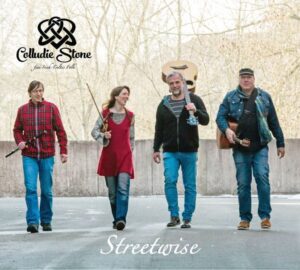
          “Streetwise” by Colludie Stone: Irish folk from Swabia

          The new album “Streetwise” by the Swabian folk band Colludie Stone has arrived, inspiring us to write a music review. The band has crafted a CD that’s incredibly diverse and atmospheric; the recording quality is very high, both technically and musically. The lineup change two years ago was a huge success. The two new musicians create a rhythmic and, at times, dreamy folk band sound that’s a pleasure to listen to.

          Album “Streetwise” for the 10th Anniversary

          On November 11, the Swabian folk band Colludie Stone released their second album, “Streetwise.” We’re taking this release—along with the band’s 10th anniversary—as an opportunity to give this CD a closer listen—and we’re thrilled. In recent years, the folk band has caused a sensation in the Irish folk scene in southern Germany and Italy. The band has performed numerous shows and has already been booked by television (ARD/SWR) for a major appearance. The new CD, “Streetwise,” was produced by the well-known Artes Studio with Jürgen Treyz (CARA)—and we can reveal this much: The effort was well worth it, and the quality of the CD is outstanding.

          New Lineup—A Breath of Fresh Air for Colludie Stone

          The band consists of four musicians and plays authentic Irish-Celtic folk music. In addition to traditional instruments (flute, violin, guitar, vocals, percussion), they incorporate numerous Irish folk instruments. This creates a rich, varied sound that the four musicians creatively adapt in a wide range of ways. In 2016, two new musicians joined the band (Robby Iacuzzi: flute, vocals, guitar / Birgit Aubert: violin, vocals), who have proven to be the perfect fit. Their virtuosity and ornate style are typical of Irish music and complement the band perfectly.

          The Versatile Sound of the Band “Colludie Stone”

          Just under five years have passed since the release of their first album, “Native Land.” The focus has shifted from purely vocal pieces to a wonderful blend of instrumental and vocal tracks. This is due in large part to the musical influence of the two new musicians. In addition, the overall sound has evolved in a positive way and is now even more refined and varied than on the first album. The musicians’ interplay is more virtuosic, and the folk band’s repertoire is broader and more diverse.

          The superbly performed album “Streetwise”

          The album “Streetwise” by Colludie Stone

          “Streetwise” is a consistently excellent album, and I thoroughly enjoyed listening to the tracks while preparing this music review. Purely instrumental pieces alternate with vocal tracks, creating an impressive overall structure for the CD. In the instrumental tracks, the four musicians’ whimsical rhythmic arrangements really shine, and they showcase their virtuosity particularly well in “Sgt. Earlie’s Dream.”

          With ease, Iacuzzi and Aubert perform a duet whose dance-like rhythm sparkles with every passing second. Among the songs—all sung with consistent atmosphere and the purest intonation—the ballad “Follow The Heron” stands out, inviting the listener to dream. At this point, I’d like to praise the artful structure of the individual tracks, which is masterfully brought to a close in the final number, “Willy Crotty.” Here, a track lasting over 7 minutes never gets boring, and the vocals, instrumental textures, and accompaniment are so artfully varied that time flies by.

          Enthusiasm and Commitment

          The musicians told us in a letter that, for professional reasons, the recording of their album took nearly a year. The enthusiasm for the music and the dedication of the four band members are evident in every sentence. The band’s popularity continues to grow, and their concerts are usually sold out. After the release of this electrifying CD, this success is well-deserved, and we’re thrilled about their hard-earned achievement.

          Live performances in 2020

          This brilliant and virtuosic album, which also features dreamy and melancholic tracks, is a must-have for any folk CD collection. The overall quality of the CD is very high, and the ensemble playing is impressive. Rarely do we hear an album so well-crafted and diverse—high praise is due to everyone involved! In 2020, there will be nearly 20 concerts in southern Germany where you can hear Colludie Stone live, for example on June 20 in Reutlingen, on July 16 in Stuttgart, or on October 2 in Vaihingen—it’s well worth it!